Frontline care
Supporting people came first.
Before Castodia, there were ordinary days, difficult nights, handovers, incidents, reassurance and the responsibility of supporting people well.
My name is James Lunt. Castodia grew from years working in health and social care, asking why the systems around care could not feel simpler, clearer and more human.
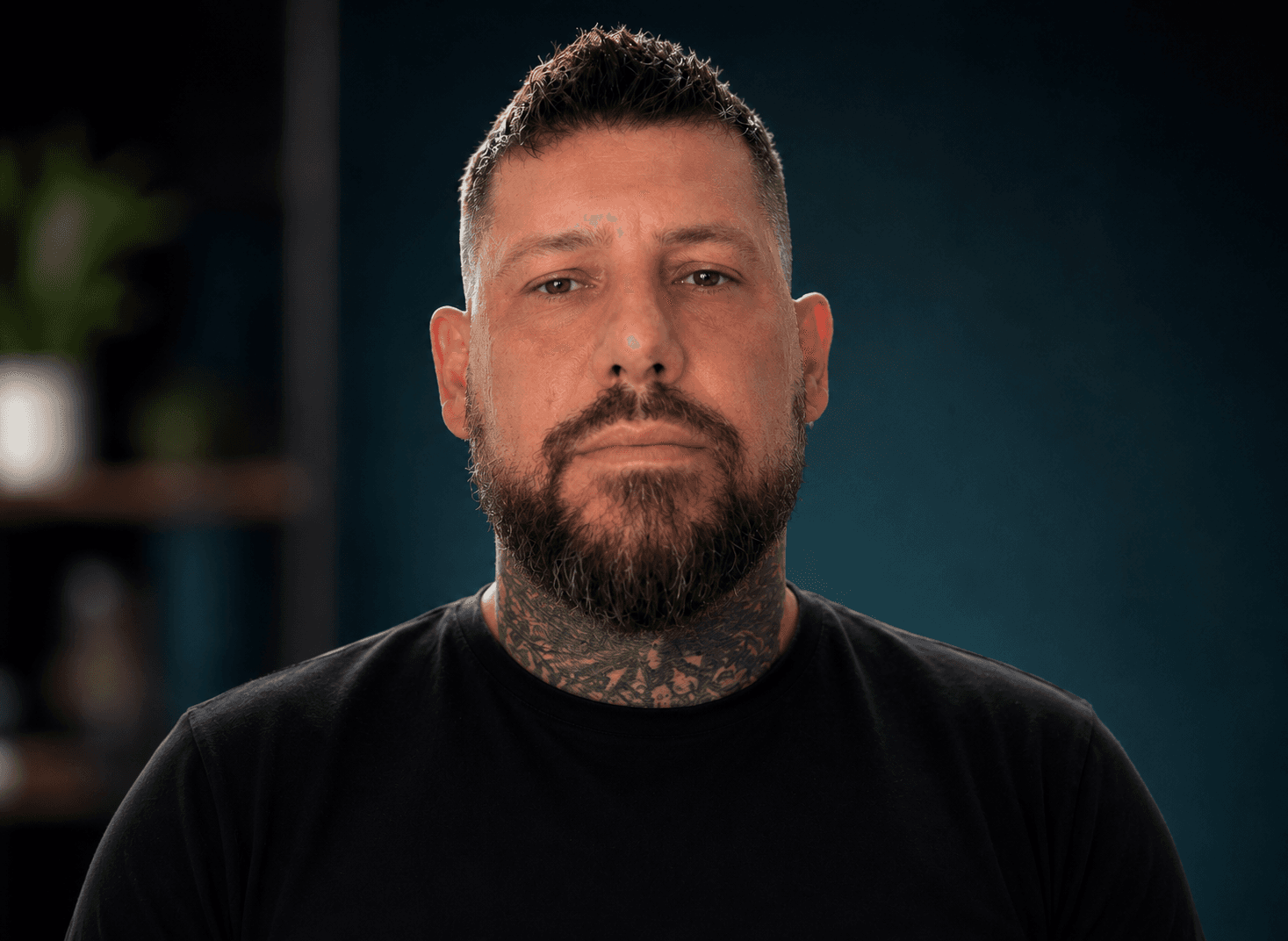
James Lunt
Founder, Castodia LTD
Care came first
I was focused on supporting people, learning from them and helping them live the lives they wanted.
Over time, I saw how much difference a good system could make — and how easily a poor one could create frustration, confusion and unnecessary pressure.
Care taught me how people work. Leadership taught me how organisations work. Building Castodia taught me how software should work.
The journey
Castodia was not adapted to care after it was built. Care shaped it from the beginning.
Frontline care
Before Castodia, there were ordinary days, difficult nights, handovers, incidents, reassurance and the responsibility of supporting people well.
Leadership
Leadership showed me how documentation, communication and poor systems affect entire teams, not just the person completing the form.
Qualification
A Level 5 Diploma in Leadership for Health and Social Care strengthened the practical lessons I had already learned on shift.
Building Castodia
I stopped waiting for someone else to build a better system and started learning how to create one myself.
Lessons from the floor
The most important design principles behind Castodia were not learned from textbooks. They were learned while working.
Records matter, but they should never become more important than the person receiving support.
If a system creates extra work during an already difficult shift, it is not helping.
The right information should appear when it is needed, without searching through disconnected sections.
Clear workflows make it easier for staff to record accurately, even when time and attention are limited.
The question I kept returning to
“How easy is this at 3am, during a difficult shift, when someone needs you?”
That question still shapes almost every workflow, form and design decision inside Castodia.
Experience leaves its mark
Years supporting people whose distress could sometimes become physical left me with a few scars.
I do not see them as badges of honour. They are reminders that good care often happens in difficult moments.
Those moments taught me that the best systems reduce pressure. They never become part of it.
The beginning of Castodia
I found myself asking the same questions repeatedly. Rather than waiting for someone else to answer them, I started building.
“Why does this need so many clicks?”
“Why is the information staff need so difficult to find?”
“Does this help staff provide better care, or merely record it?”
“Could this still be completed properly after a difficult shift?”
“Will this reduce pressure rather than create it?”
The answer
Timelines, handovers, safeguarding, wellbeing and reporting work together so staff record once and managers see more.
Explore CastodiaTimelines
Handovers
Safeguarding
People first
Why it matters
I built it because the people delivering care deserve better tools.
If Castodia can save support workers time, reduce frustration, strengthen handovers and help managers spend more time leading, then every hour spent building it will have been worthwhile.
From me to you
I hope it makes the working day a little simpler and leaves more time for what really matters.
People.
James
Founder, Castodia LTD